The Government of Antigua and Barbuda and the United Nations Development Programme (UNDP) have officially launched a five-year, US$12.3 million project aimed at overhauling the nation's disaster preparedness and weather forecasting capabilities.
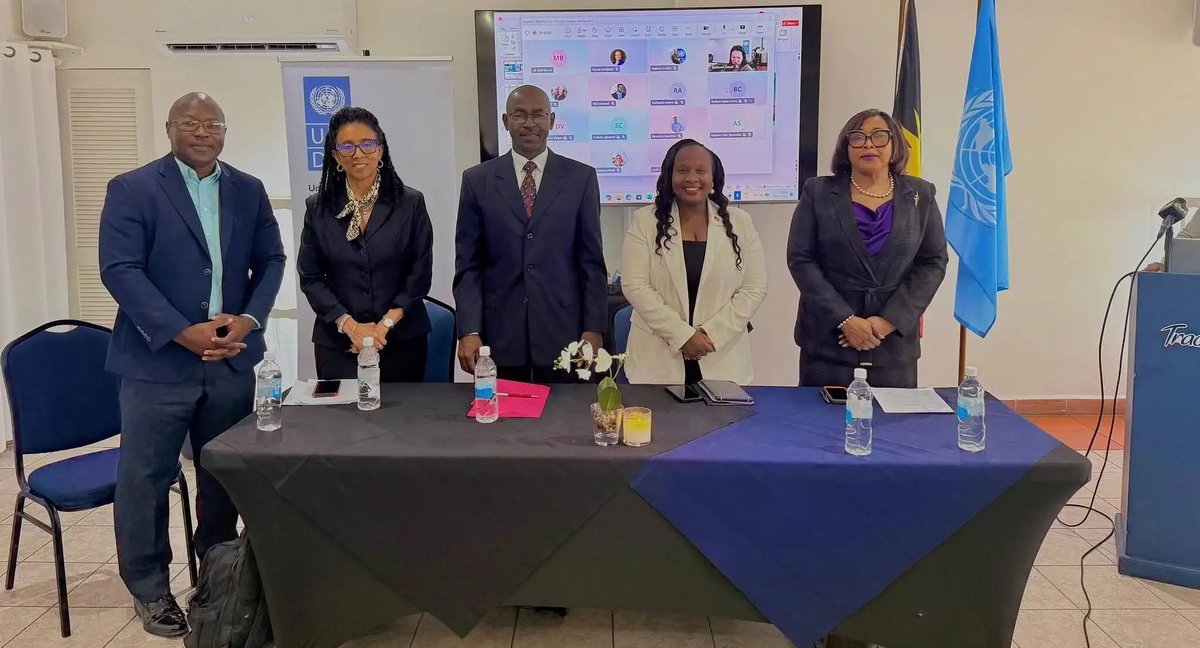
The National Inception Workshop, held at the Trade Winds Hotel, marked the formal start of the 'Early Warnings for All (EW4ALL) – Antigua and Barbuda' Project, financed through a grant from the Green Climate Fund (GCF). Senior government officials, disaster management experts, and representatives from several United Nations agencies attended the event to align the technical roadmaps and legal frameworks needed to ensure every resident — regardless of location or physical ability — can receive and act on life-saving warnings before disaster strikes.
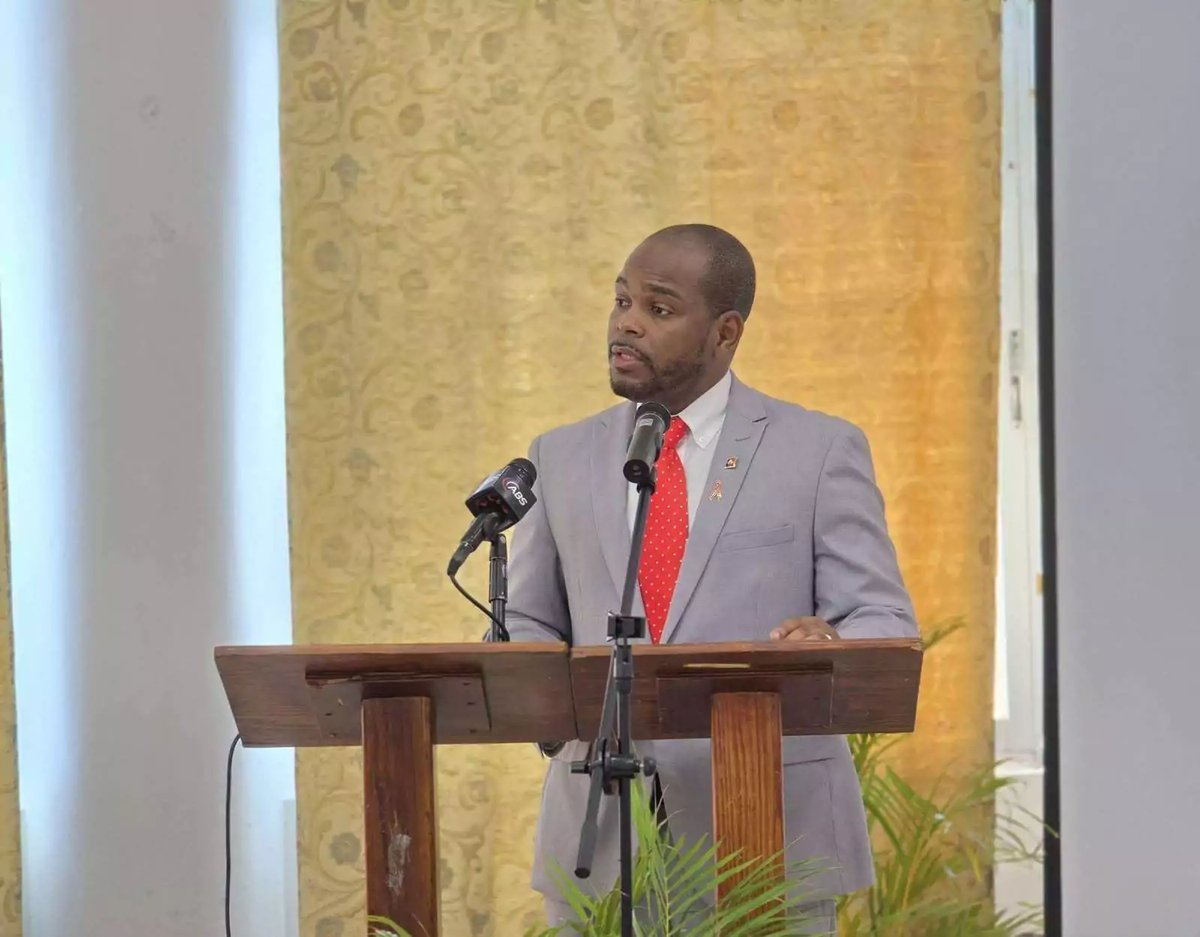
Minister of State in the Ministry of Social and Urban Transformation, the Hon. Kiz Johnson, delivered the keynote address, stressing that the project must reach even the most isolated communities across the twin-island state. "We are here to ensure that information lives and breathes at the last mile," Minister Johnson said. "Whether it is a fisherman in Barbuda or a family in a remote rural community, this system must reach them in a language they understand and through channels they trust."
The urgency is underscored by Antigua and Barbuda's standing as fifth on the World Risk Index. The EW4ALL project responds directly to that vulnerability by modernising the national Disaster Management Act and upgrading the monitoring equipment and infrastructure of the Antigua and Barbuda Meteorological Service (ABMS). The initiative forms part of a broader UNDP-led programme advancing early warning systems across seven climate-vulnerable countries, backed by a total US$103 million GCF investment.
Kristin Lang, the Green Climate Fund's Regional Director for Latin America and the Caribbean, highlighted the growing climate threats facing the region. "Across the Caribbean, communities are facing stronger hurricanes, flash floods, and prolonged drought," Lang said. "Early warning systems are therefore essential for protecting lives, livelihoods, and development gains. This is the kind of country-driven, practical resilience-building that the Caribbean needs as climate impacts intensify."
The initiative draws on collaboration among the UN pillar lead agencies for Early Warnings for All, including the World Meteorological Organization (WMO), the United Nations Office for Disaster Risk Reduction (UNDRR), the International Telecommunication Union (ITU), and the International Federation of Red Cross and Red Crescent Societies (IFRC).
Stephanie Ziebell, UNDP Deputy Resident Representative for Barbados and the Eastern Caribbean, described the project as a meaningful shift in how international partners and local agencies approach climate resilience. "By bridging the specialised expertise of our sister agencies with the local knowledge of national stakeholders, we are building a proactive shield for these islands," she said. In Antigua and Barbuda, UNDP will work directly with the National Office of Disaster Services (NODS) to implement the project.
The workshop's first day centred on the technical baseline for forecasting improvements, with a focus on specialised monitoring for flash floods and storm surges. The second day will include site visits to Community Emergency Response Units (CERUs) and the Crabbs Search and Rescue Training Area, allowing delegates to observe how technical data translates into community-level action. The event concludes with the inaugural meeting of the Project Board to review the first year of implementation.