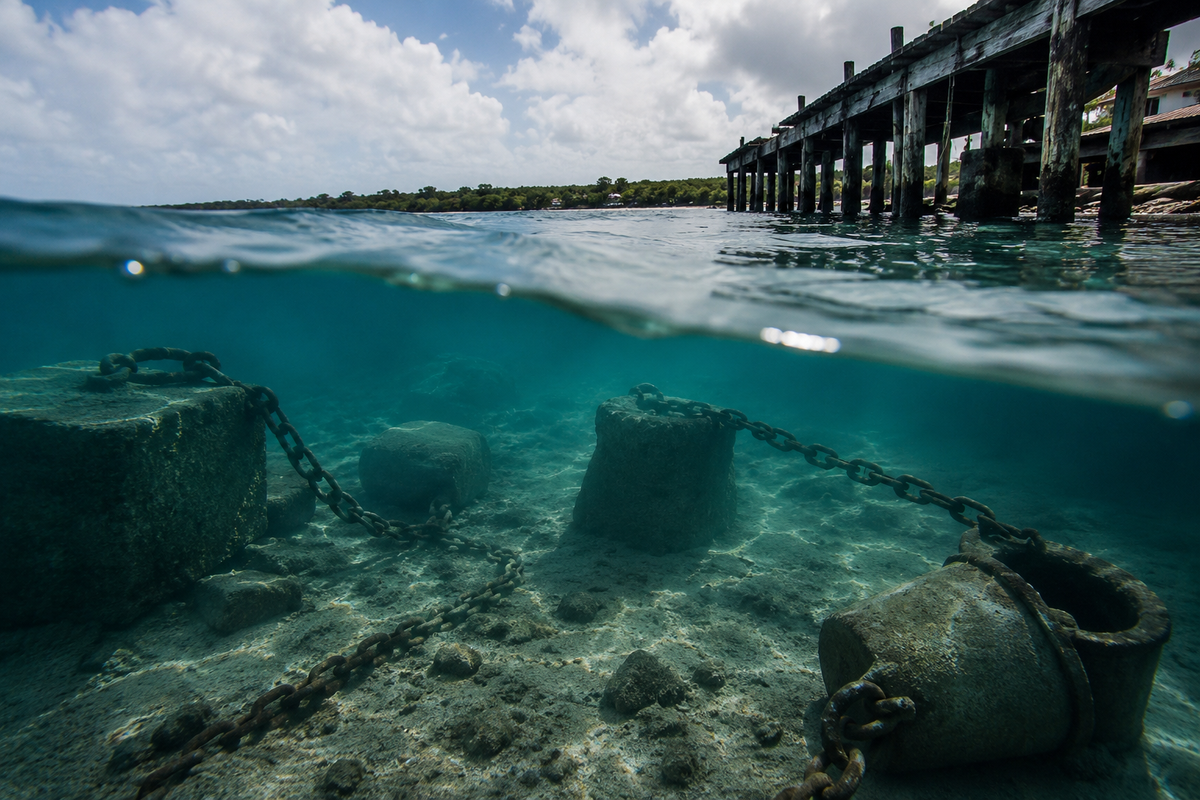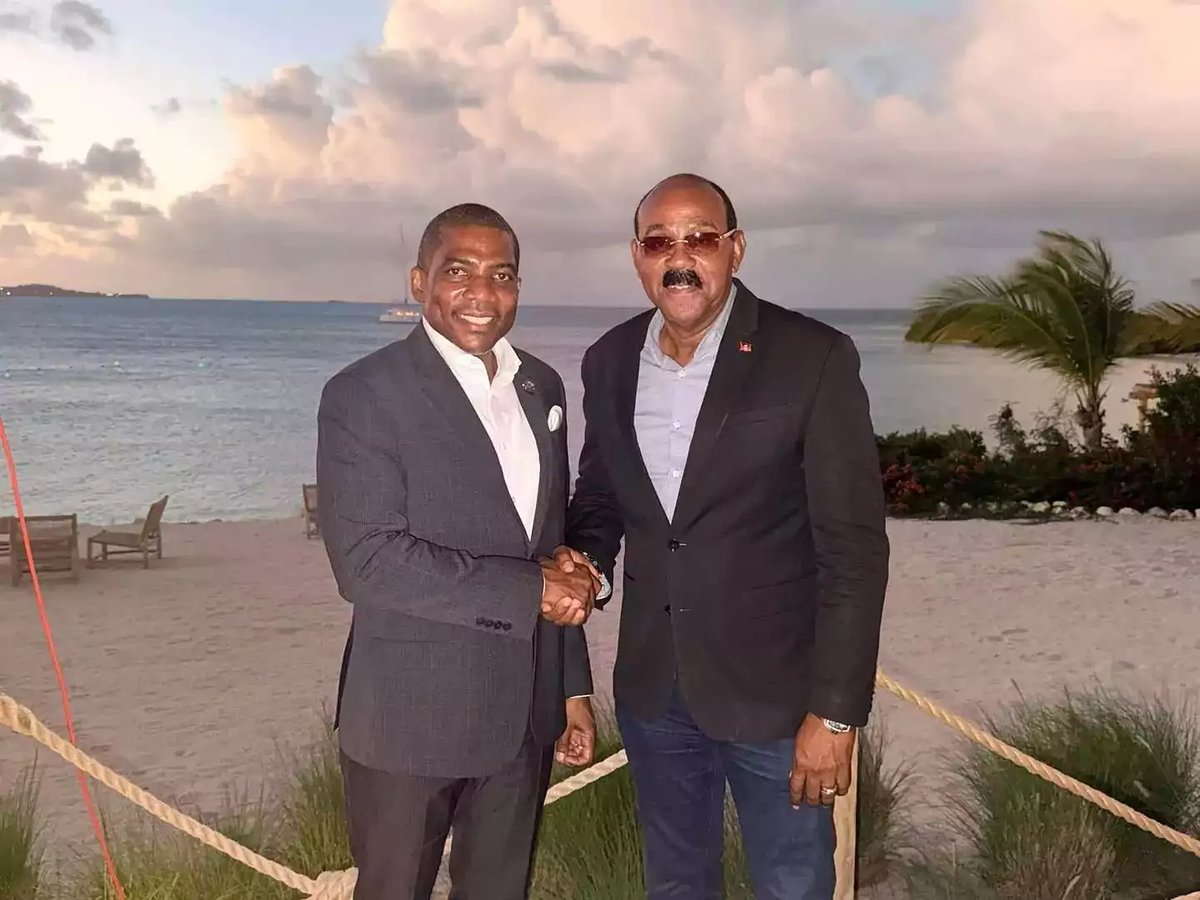
Prime Minister Gaston Browne has announced that Antigua and Barbuda is in advanced discussions with St Kitts-Nevis and the European Union on a regional energy cooperation arrangement that could deliver geothermal power to Antigua through an undersea transmission line from Nevis. According to Antigua.news, the announcement comes as Browne prepares to assume the chairmanship of the Organisation of Eastern Caribbean States (OECS) next month.
Browne described the discussions as serious and ongoing. Under the proposed arrangement, the EU would advance several hundred million US dollars to St Kitts-Nevis to develop its geothermal capacity, with Antigua and Barbuda committing to purchase power from the project to underpin its commercial viability.
"We have said to the European Union that we will buy the power from St Kitts-Nevis — to ensure that it's commercially viable," Browne said.
The Prime Minister said geothermal energy would provide Antigua with a stable baseload power supply, insulated from the price volatility that has made fossil fuel dependency costly for small island states. He pointed to the government's current decision to subsidise fuel prices at the pump — forgoing a 15 percent tax on fuel sales — as evidence of the economic strain created by dependence on petroleum.
St Kitts-Nevis has already secured US$37 million from the Caribbean Development Bank, the Inter-American Development Bank and the Saudi Fund for Development to fund production drilling at Hamilton Estate in Nevis. Drilling is expected to begin in 2026, with the Nevis Electricity Company Limited targeting a 30-megawatt geothermal plant from the project.
Browne said assuming the OECS chairmanship would allow him to push for deeper sub-regional collaboration on energy, trade, logistics and joint diplomatic representation. He also disclosed that he has been in discussions with a major global shipping company about transforming Antigua's port into a regional transshipment hub, with an agreement expected within 30 days.
"Better energy costs means that manufacturing becomes more viable. It also means that living costs will be reduced because that's one of the most significant factors that is contributing to relatively high costs of living within the region," Browne said.
The Prime Minister argued that OECS countries collectively spend hundreds of millions of US dollars annually on petroleum imports, and that a coordinated shift toward geothermal and other renewable sources would free up fiscal space for social development across the sub-region.
Browne also said he would push for OECS member states to consolidate diplomatic missions in capitals where individual representation is not economically justified, and to coordinate procurement in order to benefit from economies of scale.
Looking further ahead, Browne expressed longer-term aspirations for OECS political union, while acknowledging the goal was generational rather than imminent.
"We're starting from now, not necessarily to drive a political union at this point, but to set the framework for one in the future so that future generations can take this thing to the next level," he said.