The Ministry of Health, Wellness, Environment and Civil Service Affairs has confirmed that a cluster of chickenpox cases identified at Clarevue Psychiatric Hospital remains contained within two male wards, with health officials implementing precautionary measures to prevent further spread.
In a public advisory issued Tuesday, the Ministry confirmed the cases involve varicella, commonly known as chickenpox, and stressed there is currently no evidence of widespread transmission beyond the affected wards.
Infection prevention and control measures were activated immediately after the cases were identified. These include quarantine and isolation protocols, active surveillance, enhanced cleaning and disinfection, restricted movement within affected areas, monitoring of exposed individuals, and ongoing clinical assessments of both patients and staff.
Public health officials continue to work closely with the management and clinical teams at Clarevue Psychiatric Hospital to monitor the situation.
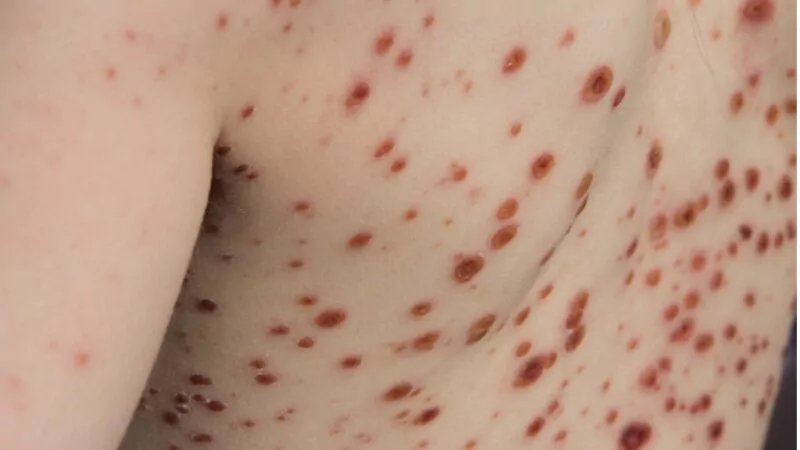
Varicella is a highly contagious viral illness caused by the varicella-zoster virus, commonly characterised by fever, fatigue, and an itchy blister-like rash. The virus spreads mainly through respiratory droplets or direct contact with fluid from the skin lesions of infected individuals. Health officials also noted that exposure to persons with shingles — caused by reactivation of the same virus — can sometimes lead to chickenpox transmission among susceptible individuals.
The Ministry noted that clusters of chickenpox can occasionally occur in congregate settings where close contact increases the risk of spread.
Vaccination remains one of the most effective ways to prevent infection and reduce the severity of illness. The varicella vaccine is available through public health clinics across Antigua and Barbuda for both adults and children. Parents and guardians are encouraged to ensure children are immunised in accordance with the national immunisation schedule, while individuals uncertain of their vaccination status are urged to consult their healthcare provider or nearest health centre.
Residents are also being reminded to practice basic infection prevention measures, including frequent handwashing, covering coughs and sneezes, avoiding close contact with sick individuals, and keeping infected persons away from public settings until their lesions have fully crusted over.
Persons experiencing fever and rash symptoms are advised to avoid unnecessary contact with vulnerable groups, including elderly persons, pregnant women, newborns, and immunocompromised individuals.
The Ministry says active surveillance remains ongoing and further updates will be provided if additional public health concerns arise.