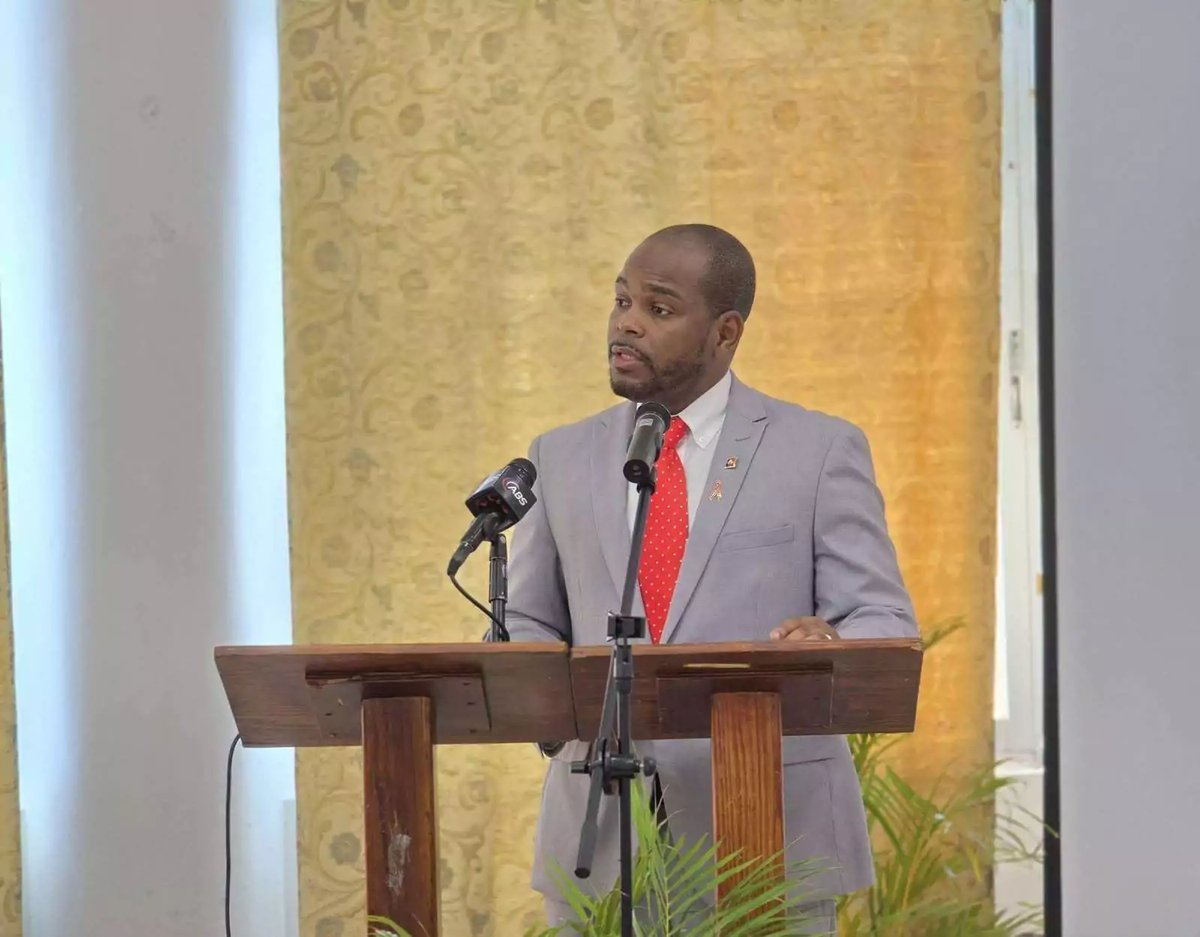
Prime Minister Gaston Browne has attributed delays in outstanding back pay claims to administrative failures within government ministries, stressing that funds are available and ready for disbursement.
Speaking on his weekly radio programme Saturday, Browne said the government has already paid more than $30 million in retroactive salary payments, with the Financial Secretary advising that over 90 percent of eligible public servants have received their money.
"We have paid over $30 million in back pay," Browne said. "95 plus has been paid. We have brought all back up to date. That's never happened in the history of this country."
The remaining cases, he explained, largely involve ministries and departments that have failed to submit the required documentation to the Treasury for processing. Without that paperwork, payments cannot move forward.
"The treasury cannot pay without documentation," Browne said. "I'm told, though, that there's some slippages within many ministries not submitting the documentation."
In some instances, eligible workers were inadvertently left off payment lists due to incomplete or missing paperwork. Browne noted that certain police officers were among those affected.
"With the police, officers were paid but there were some other officers for some reason they were left out," he said. "You have these little gaps that we're trying to satisfy."
Browne said he has directed the Financial Secretary to write to the relevant ministries and permanent secretaries, instructing them to ensure all outstanding documentation is submitted to the Treasury promptly so that affected workers can be paid.
"I've asked the financial secretary to write to these respective ministries to ask them to make sure that those individuals who, for whatever reason or reasons, were inadvertently omitted, to make sure the documentation gets into the treasury so we can pay them," he said.
The prime minister also criticised the practice of some ministries directing workers to the Ministry of Finance when those workers are not actually eligible for back pay — a practice he described as unhelpful and misleading.
Browne noted that some individuals seeking payments were employed on contract or were not on the government payroll during the period covered by the retroactive salary agreement, making them ineligible.
"Some people are not even eligible for back pay," he said. "And when they go to the ministries, they send them to the Ministry of Finance, knowing that they're not eligible because they were not working for the period of the back pay."
He urged ministries to give workers accurate information rather than redirecting them unnecessarily. "Instead of educating the people, they just tell them, 'Oh, go to the Ministry of Finance,'" Browne said.
Later in the programme, Browne described the remaining unpaid cases as representing less than five percent of the overall public sector workforce and characterised the broader back pay exercise as largely complete.
"What we have done, we have cleared all arrears," he said. "We don't owe no worker, well other than those, you know, little gaps. Maybe less than five percent."
The government began issuing retroactive salary payments following agreements with public sector unions covering wage increases for previous contract periods. Browne maintained that funds remain available for all eligible workers and called on ministries to resolve outstanding documentation issues without delay.