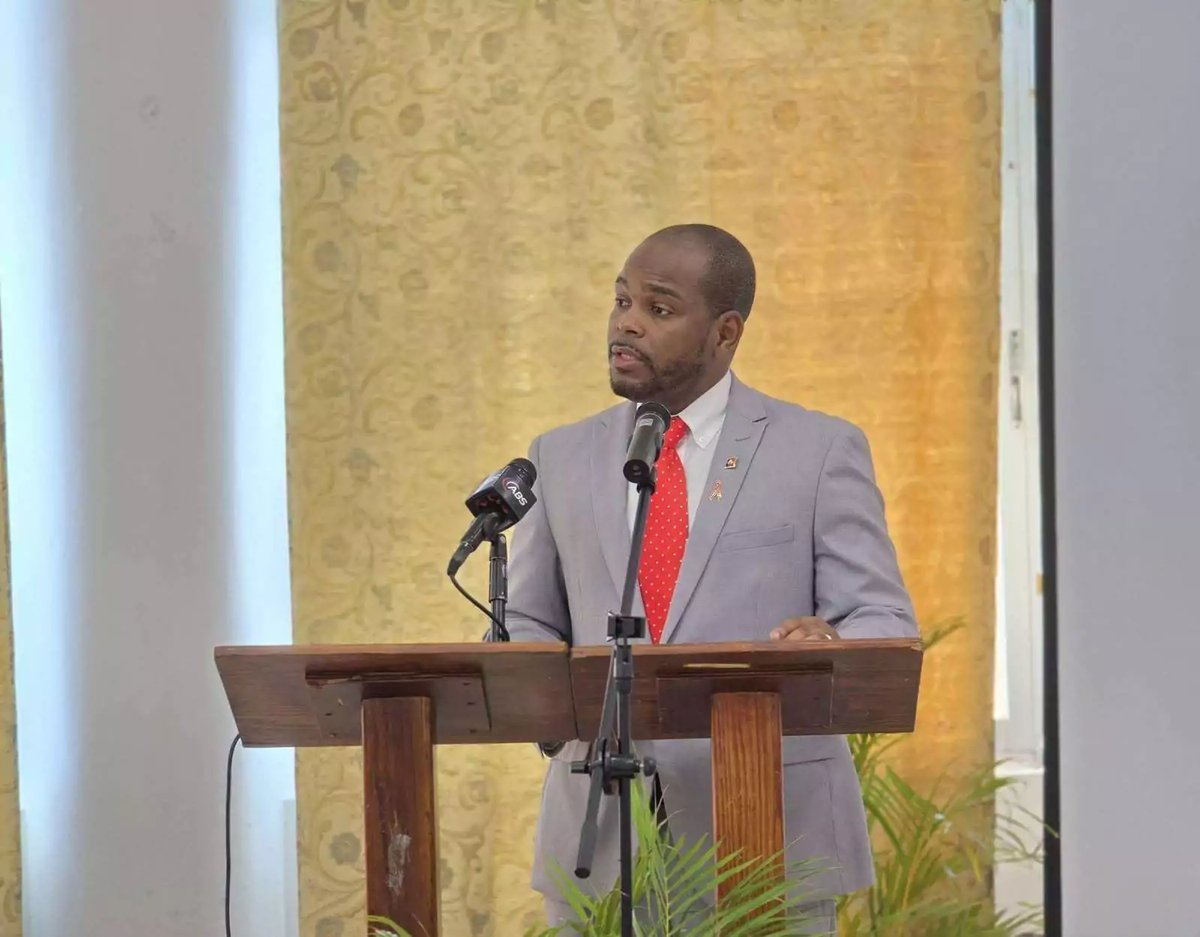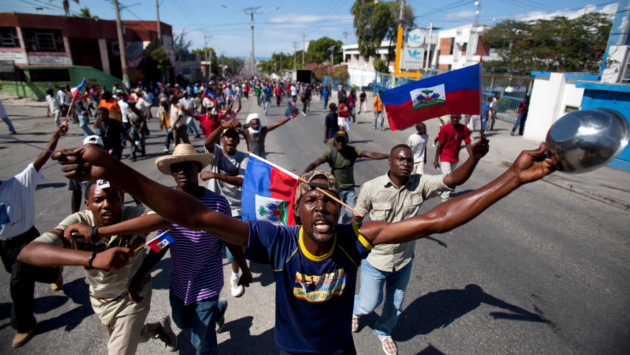
The CARICOM Eminent Persons Group (EPG) has postponed its planned visit to Haiti, stating it will reschedule the trip "as soon as practicable" to engage directly with political, civil society, and government stakeholders on the ground, according to Antigua News Room.
In a statement, the EPG said it continues to monitor the evolving political situation in Haiti closely through virtual engagements with a broad range of Haitian stakeholders, including representatives from government, political parties, and civil society sectors.
The group acknowledged the importance of an in-person visit to sharpen its understanding of conditions within the country. While encouraging Haitian stakeholders to resolve their differences among themselves, the EPG indicated that face-to-face meetings with all relevant parties remain a priority once the visit is rescheduled.
The Caribbean Community (CARICOM) was established on 4 July 1973 with the signing of the Treaty of Chaguaramas. The treaty was revised in 2001 to provide for the establishment of a single market and economy. CARICOM comprises fifteen Member States and six Associate Members, and is home to approximately sixteen million citizens, 60 percent of whom are under the age of 30.
The Community's work is built around four core pillars: economic integration, foreign policy coordination, human and social development, and security cooperation.
CARICOM member states work collectively toward a community that is integrated, inclusive, and resilient — one driven by knowledge, excellence, innovation, and productivity. The bloc aims to serve as a unified and competitive force on the global stage, where every citizen is secure, enjoys guaranteed human rights and social justice, and has the opportunity to share in the region's economic, social, and cultural prosperity.
The CARICOM Secretariat, the principal administrative organ of the Community, is headquartered in Georgetown, Guyana.