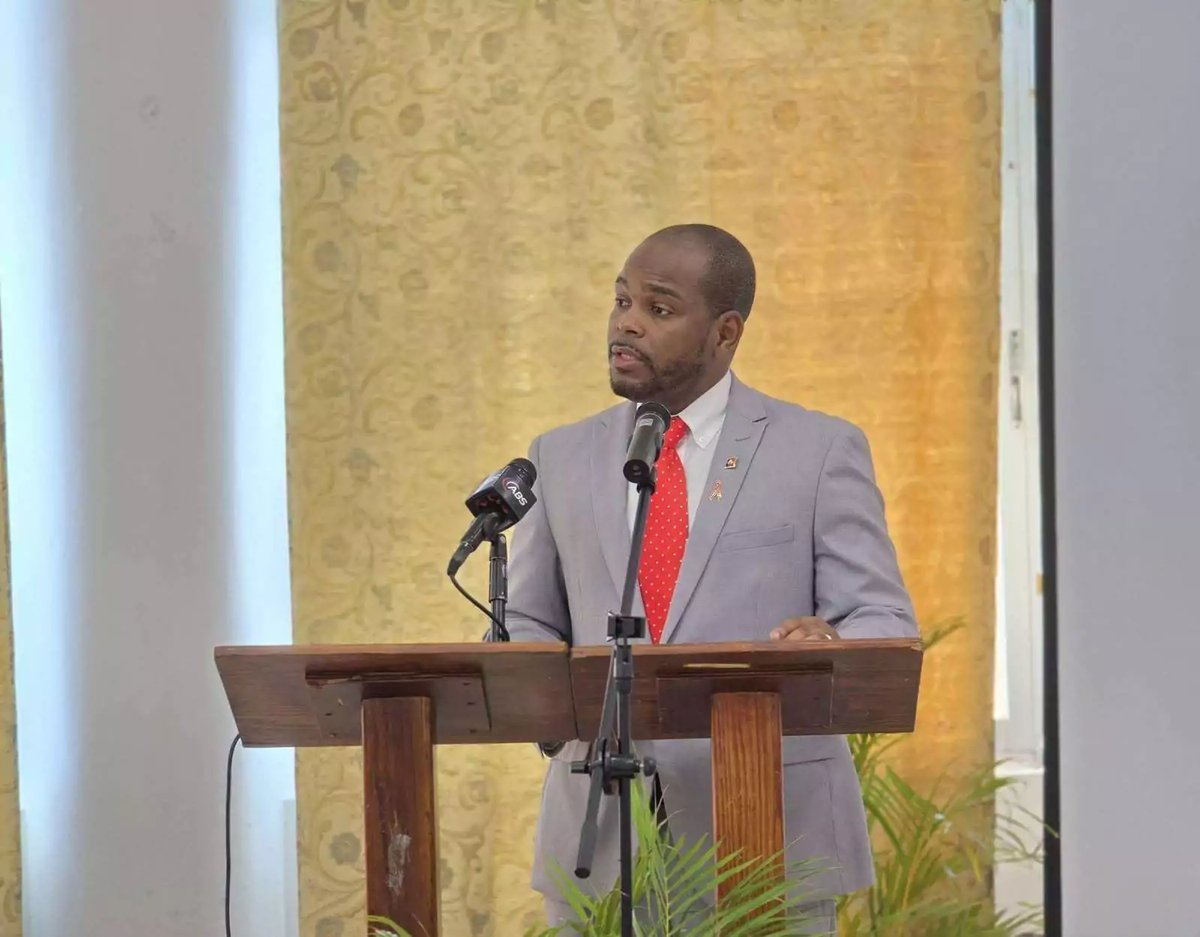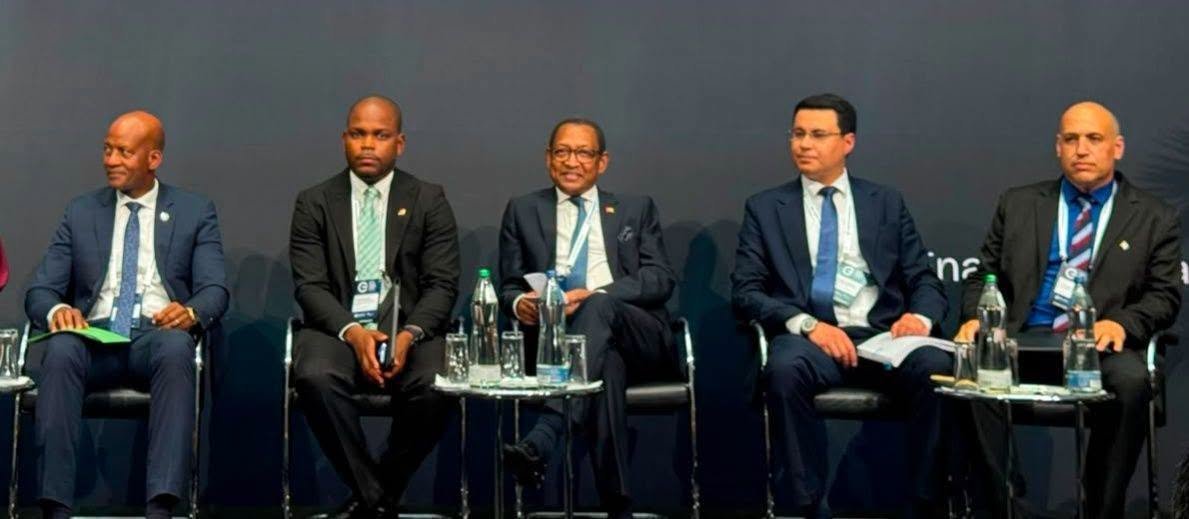
Minister of Health, Wellness, Environment, and Civil Service Affairs Michael Joseph has called for greater investment in communities on the frontlines of climate change, addressing the Berlin Climate Mobility Forum 2026 in Germany. According to Antigua News Room, the Minister spoke during discussions on the Global Principles for Addressing Climate Mobility, welcoming the Principles and emphasizing the need for adaptation efforts that are both locally driven and adequately financed.
Addressing representatives of governments, international organizations, development institutions, and climate experts, Minister Joseph noted that communities are often best positioned to identify their own vulnerabilities and priorities, but frequently lack the resources needed to respond effectively to the growing impacts of climate change.
"Communities know what they need. They know which homes flood first, which roads fail, which coastlines are retreating, which families need support, and which ecosystems once protected them. But knowing what is needed is not the same as having the resources to act," the Minister said.
Minister Joseph stressed that for Small Island Developing States such as Antigua and Barbuda, climate change is placing increasing pressure on housing, healthcare, food security, public infrastructure, and community well-being. He underscored the need for financing mechanisms that strengthen national institutions and enable governments to deliver support directly to vulnerable populations.
The Minister highlighted Antigua and Barbuda's Home Assistance Programme for the Indigent (HAPI) as a practical example of an initiative that helps vulnerable citizens — including the elderly, unemployed persons, displaced individuals, and disaster victims — remain safe and secure within their communities through housing construction and rehabilitation support.
Minister Joseph also drew attention to the often-overlooked mental health impacts of climate change, noting that repeated exposure to storms, displacement, livelihood disruption, and uncertainty can have lasting psychological effects on affected populations.
He further emphasized the importance of protecting ecosystems such as beaches, wetlands, reefs, mangroves, and fisheries, which provide essential services supporting food security, livelihoods, cultural heritage, and protection from extreme weather events.
The Minister warned that rising global temperatures continue to pose a significant threat to Small Island Developing States and reiterated Antigua and Barbuda's commitment to limiting global warming to 1.5 degrees Celsius.
"For Antigua and Barbuda, 1.5 degrees is the difference between manageable risk and permanent damage," he said.
Minister Joseph also highlighted the growing challenge of loss and damage, noting that adaptation measures have limits when communities face repeated climate shocks, land loss, damaged infrastructure, failing water systems, and disappearing livelihoods. Referencing the experience of Caribbean countries, he pointed to the substantial economic and social costs associated with recent hurricanes and called for a more responsive and equitable international financial architecture to support vulnerable nations.
The Minister reaffirmed Antigua and Barbuda's support for the Multidimensional Vulnerability Index and the Antigua and Barbuda Agenda for Small Island Developing States as important frameworks for improving access to climate finance and ensuring that vulnerability is appropriately recognized within international development and financing systems.
Minister Joseph is attending the Berlin Climate Mobility Forum 2026 with support from Antigua and Barbuda's Climate Ambassador, Rulita Kamasho Thomas. The forum brings together high-level representatives from governments, international organizations, development institutions, and civil society to advance practical solutions addressing the growing challenges of climate mobility while strengthening resilience and adaptation efforts worldwide.