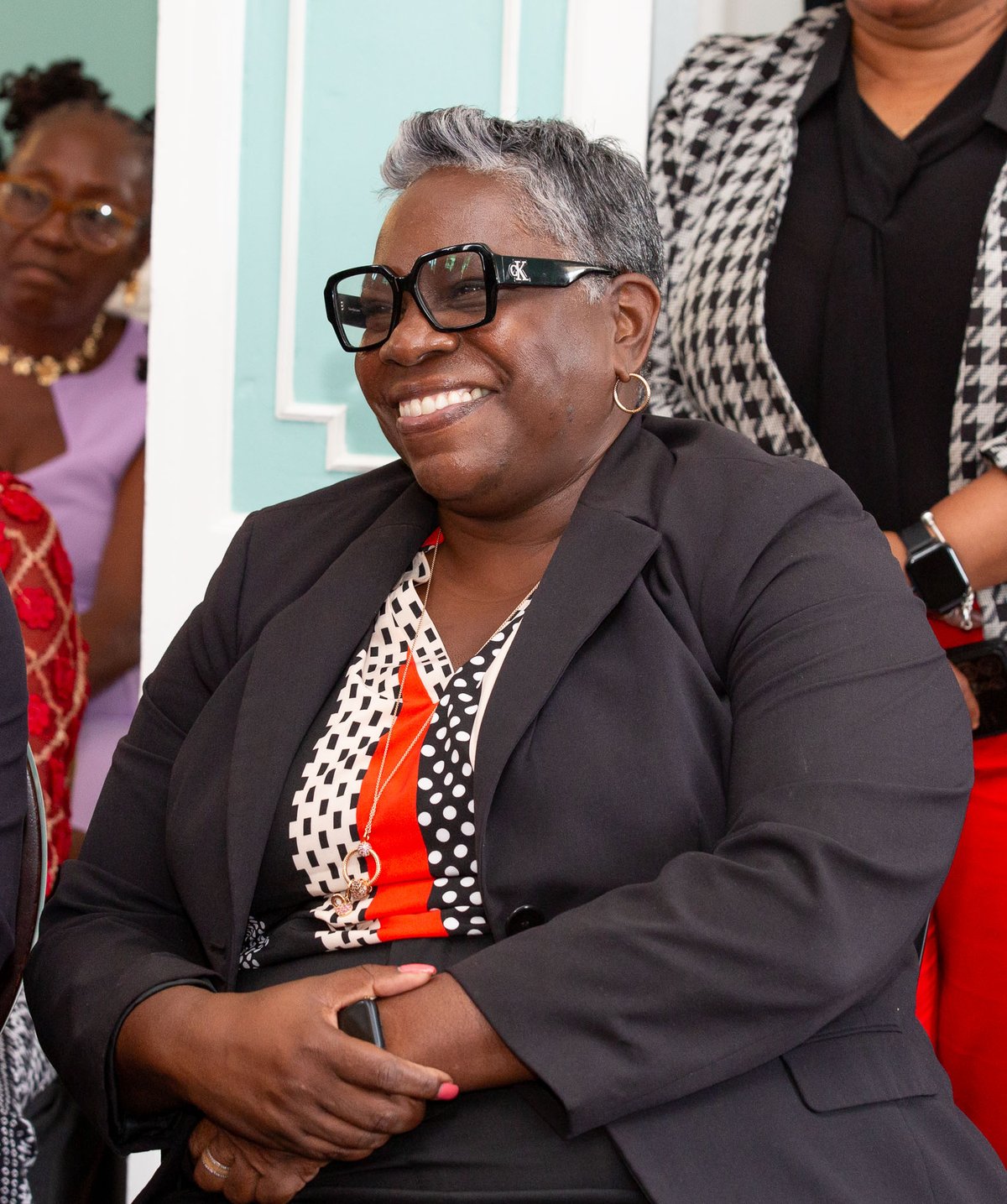
Former government minister and attorney Samantha Marshall has publicly defended the Government's decision to make first-degree tertiary education free, describing the policy as a strategic investment in national development rather than a political promise.
According to Antigua News Room, Marshall made her case in an opinion piece in which she argued that the initiative transcends partisan politics and is aimed at expanding opportunities for young people while strengthening Antigua and Barbuda's human capital. She also defended the decision to offer the Bachelor of Laws programme at half the standard cost, contending that broader access to higher education would benefit the country for generations.
Marshall took aim at critics of the policy, arguing that many of the same voices had previously opposed the establishment of the University of the West Indies Five Islands Campus at its current location. She noted that despite those objections, the campus — opened in 2019 — has since produced nearly 500 graduates who have gone on to contribute to the nation's development.
"The site they deemed unsuitable has since produced nearly 500 graduands," she wrote, describing the institution as a cornerstone of Antigua and Barbuda's development story.
Marshall also pointed to the Government's decision to fully fund Caribbean Secondary Education Certificate examination fees as evidence of a broader, sustained commitment to expanding educational opportunity across all levels. She noted that opposition members had themselves publicly acknowledged reaching into their own pockets to help parents cover those fees before the policy was enacted.
According to Marshall, free tertiary education should not be viewed as charity or political expediency, but as long-term, principled nation-building. She argued that removing financial barriers to education would expand the country's professional class, deepen its human capital, and produce the specialists, entrepreneurs, lawyers and public servants needed to drive national progress in the decades ahead.
"The question is not whether we can afford to do this," she wrote. "The question is whether Antigua and Barbuda can afford not to."
Marshall maintained that an educated citizenry participates more meaningfully in civic life and contributes more robustly to the economy, framing the policy as one that empowers not just individuals, but the nation as a whole.