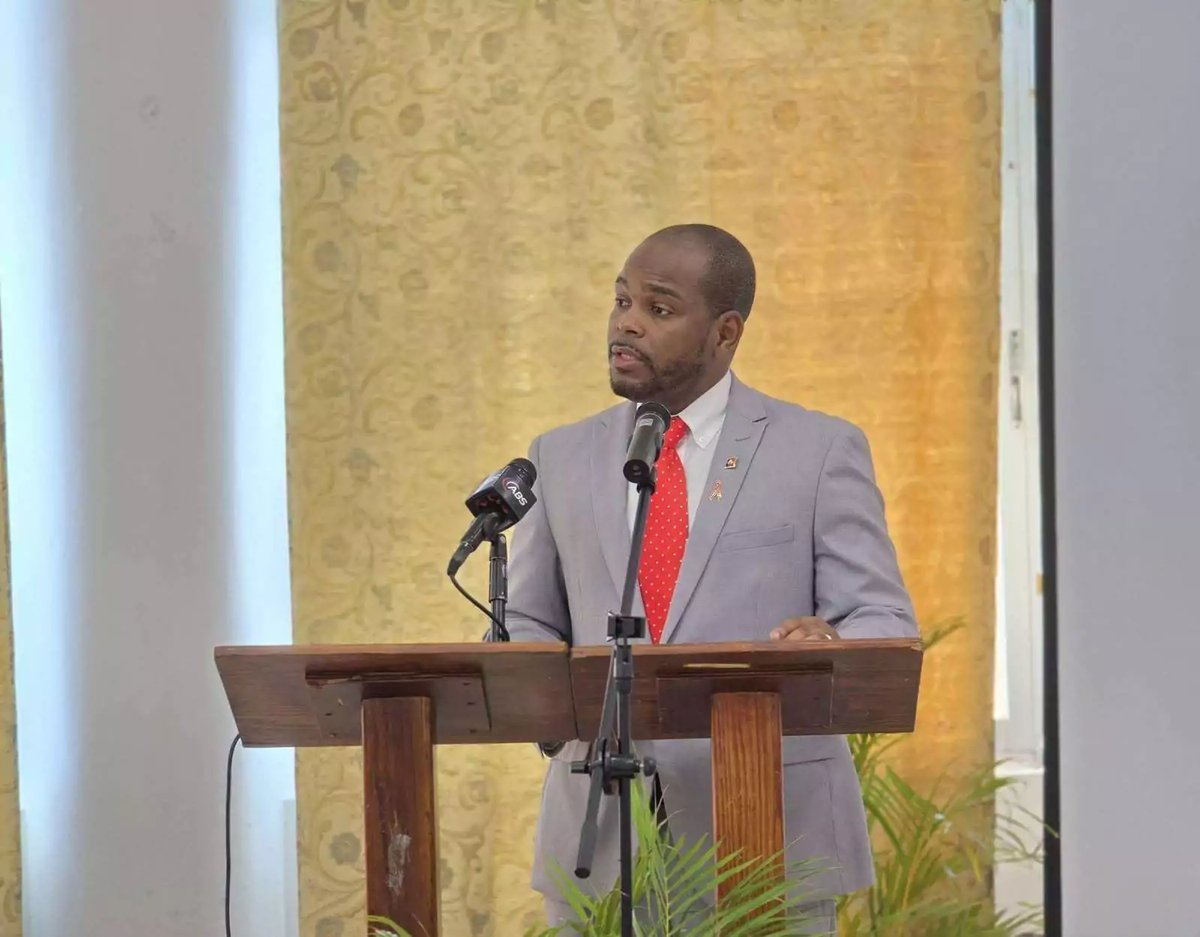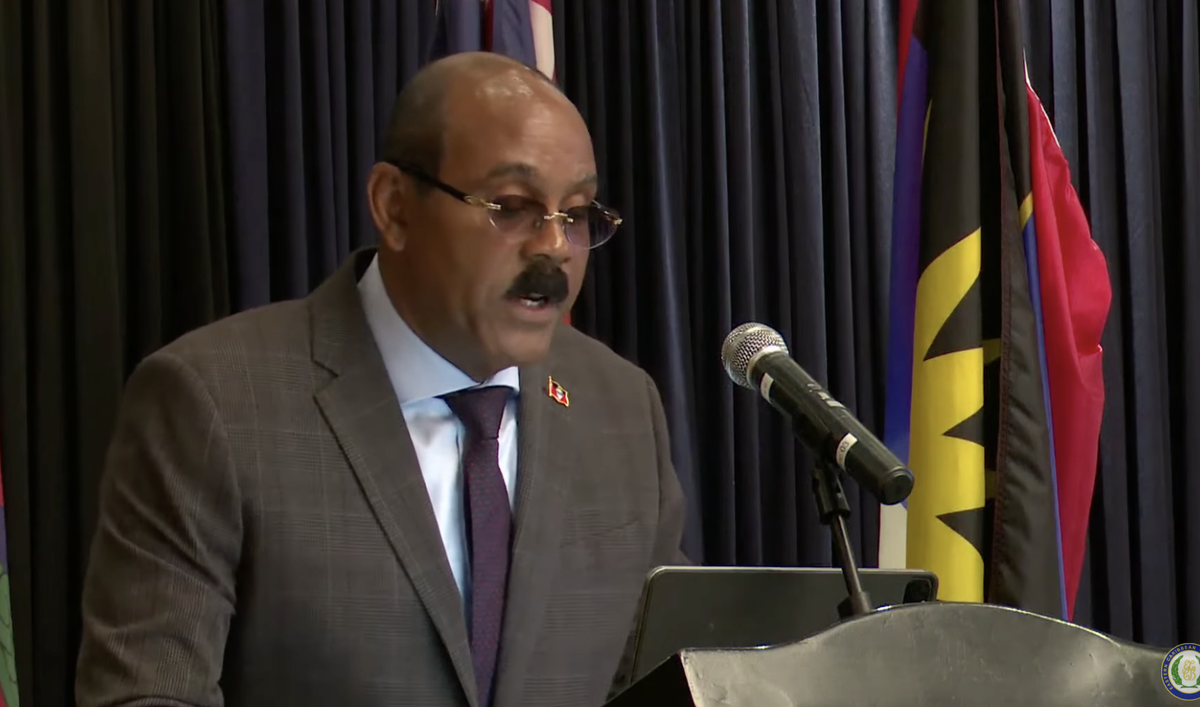
Prime Minister Gaston Browne has used his final address as Chairman of the Eastern Caribbean Central Bank (ECCB) Monetary Council to call for bold regional action, urging Member States to convert decades of monetary stability into expanded prosperity and wealth creation for the people of the Eastern Caribbean Currency Union (ECCU).
According to Antigua News Room, Prime Minister Browne delivered the address while presenting his report at the ECCB Monetary Council Meeting in Dominica, marking the conclusion of his tenure as Chairman of the Council.
Reflecting on his year at the helm, Prime Minister Browne said the Currency Union had successfully navigated geopolitical uncertainty, inflationary pressures, volatile energy markets and shifting global trade dynamics, all while preserving macroeconomic stability.
"I am pleased to report that, through sound leadership, prudent policy and unwavering regional cooperation, our Currency Union has remained stable, resilient and well-positioned for future growth," the Prime Minister stated.
Despite significant global headwinds, ECCU economies recorded estimated growth of 3.3 percent during 2025. Antigua and Barbuda itself achieved growth of more than three percent, driven largely by investments in road infrastructure and the continued expansion and modernisation of V.C. Bird International Airport.
Prime Minister Browne acknowledged the achievements but stressed that regional leaders must now focus on turning economic resilience into lasting prosperity. "Our challenge now is to transform that resilience into greater prosperity, stronger institutions and expanded opportunities, including ownership and earning opportunities for our people. Our people must be positioned to control the commanding heights of the economies of our respective countries," he declared.
The Prime Minister also reflected on a landmark monetary milestone — the fiftieth anniversary of the fixed exchange rate of EC$2.70 to US$1.00. He described the arrangement as one of the world's most enduring and successful monetary frameworks, crediting decades of prudent monetary management, fiscal discipline and commitment to regional integration for its longevity. He welcomed the unveiling of a new family of EC banknotes commemorating the occasion and praised the ECCB for its continued stewardship of the regional financial system.
Prime Minister Browne commended ECCB Governor Timothy Antoine and the Bank's management team for delivering a profit of EC$121.6 million during the 2025/2026 financial year, calling it evidence of sound financial management that would allow for greater returns to Member Governments.
He also noted that the banking sector remains highly liquid, with excess liquidity exceeding EC$1.3 billion, and that more than 300 businesses have already accessed financing through the Partial Credit Guarantee Corporation. He urged commercial banks to extend more favourable lending terms to small and medium-sized businesses, arguing that affordable capital would stimulate entrepreneurship, expand production and create jobs across the Currency Union.
The Prime Minister was emphatic that economic stability must serve as a platform for wealth creation, not an end in itself. He said the Eastern Caribbean possesses the talent, institutions and financial foundations necessary to accelerate development, provided Member States continue working toward shared regional goals.
"As I conclude my tenure, I thank my colleagues on the Monetary Council, Governor Antoine and the staff of the ECCB for their partnership and commitment to our shared regional mission. Together, we have preserved the stability of our Currency Union while laying important foundations for future growth and transformation," Prime Minister Browne said.
He congratulated the incoming Chairman of the Monetary Council, Honourable Dr. Irving McIntyre, Finance Minister of the Commonwealth of Dominica, and pledged his full support as the Council advances policies to strengthen regional resilience and prosperity.
In closing, Prime Minister Browne reminded regional leaders that the next chapter of Eastern Caribbean development must be defined by economic transformation. "Our responsibility now is to build upon that legacy — transforming stability into prosperity, expanding opportunity, creating wealth and ensuring a brighter future for generations to come."