Prime Minister Gaston Browne has urged Caribbean leaders to sustain their pursuit of reparatory justice, asserting that the region's campaign is rooted in legal responsibility and moral principle — not financial dependency on former colonial powers.
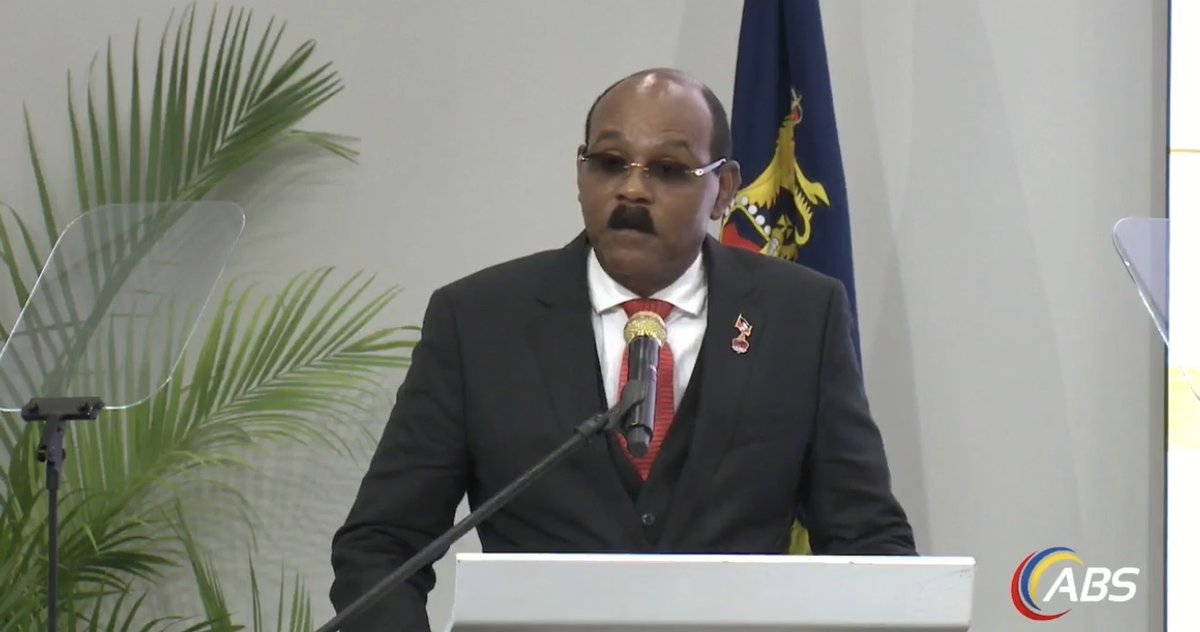
According to Antigua News Room, Browne made the remarks while addressing the 51st Regular Meeting of the Conference of Heads of Government of CARICOM, where he framed reparations as a matter of restitution for the enduring consequences of the transatlantic slave trade and chattel slavery.
Browne told fellow heads of government that CARICOM's position rests firmly on justice and legal accountability. "We are not seeking handouts," he said, stressing that the region is pursuing restitution for crimes against humanity.
The Prime Minister commended Barbados Prime Minister Mia Mottley for her leadership of CARICOM's Prime Ministerial Sub-Committee on Reparations, and called on all member states to maintain momentum on the issue. He noted that growing international recognition of slavery and the transatlantic slave trade as crimes against humanity had strengthened both the legal and moral case for reparations. While urging that dialogue with former colonial powers remain respectful and constructive, Browne was clear that reparations must stay a priority for the regional bloc.
Browne also updated heads of government on negotiations surrounding the communiqué for the 2026 Commonwealth Heads of Government Meeting, confirming that reparations will feature in the document and that foreign ministers will continue discussions on the matter.
He welcomed the CARICOM Reparations Commission's newly released manifesto, describing it as a vital instrument for articulating the legal and ethical foundation of the reparations movement. He encouraged its broad distribution across the region to deepen public understanding and engagement.
Browne further reiterated his support for CARICOM seeking an advisory opinion from the International Court of Justice, arguing it would help establish clarity around the legal obligations tied to slavery and reinforce that reparations represent a question of justice, not charity.
The Antigua and Barbuda leader closed his address by reaffirming his country's commitment to advancing CARICOM's reparations agenda and supporting the full implementation of the bloc's Ten-Point Plan for Reparatory Justice.