The Heads of Government of participating Eastern Caribbean States convened in Roseau, Dominica, on July 10, 2026, to present a unified front in response to the European Union's revised visa suspension mechanism and its implications for the region's Citizenship by Investment (CBI) programmes. According to Antigua News Room, the meeting was held at the invitation of Dominica's Prime Minister Roosevelt Skerrit, who also chaired the session.
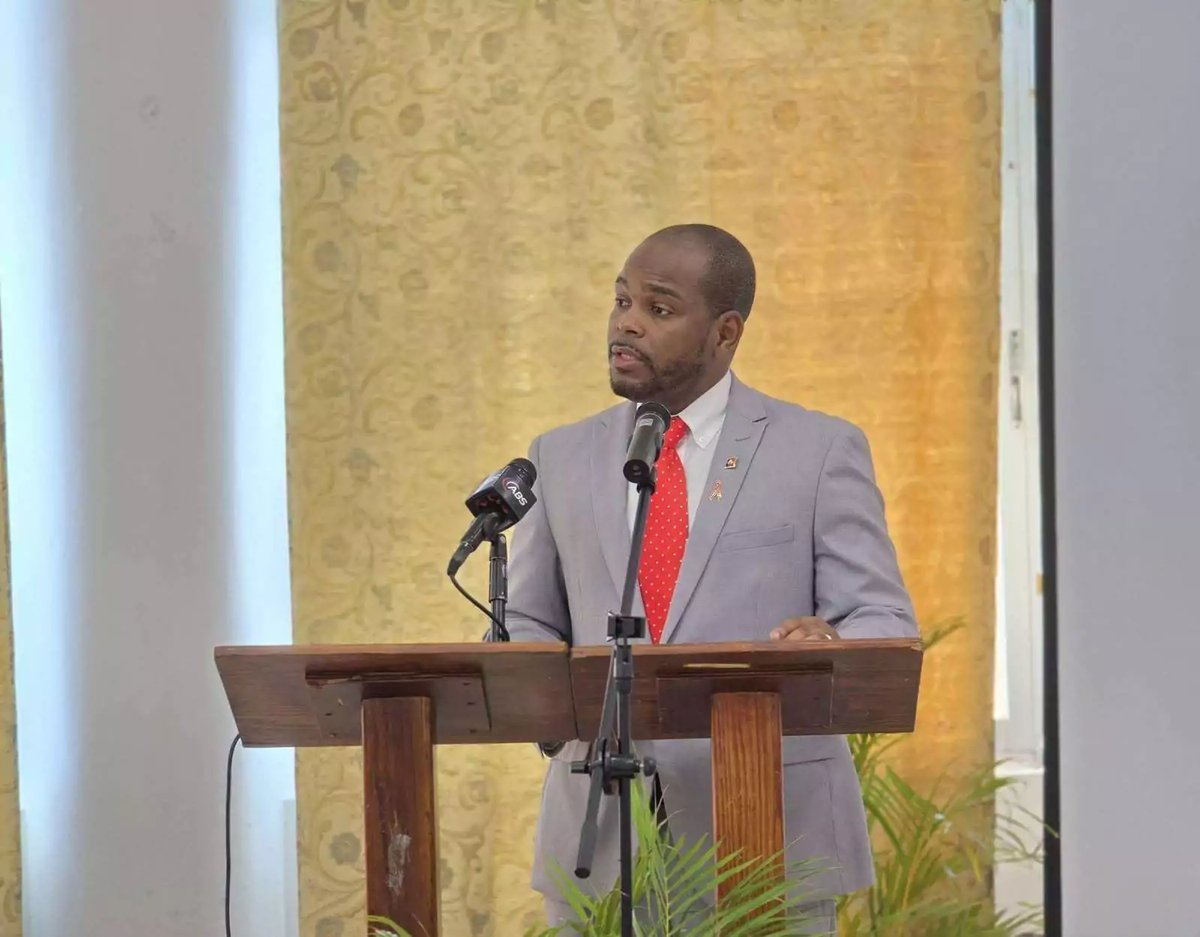
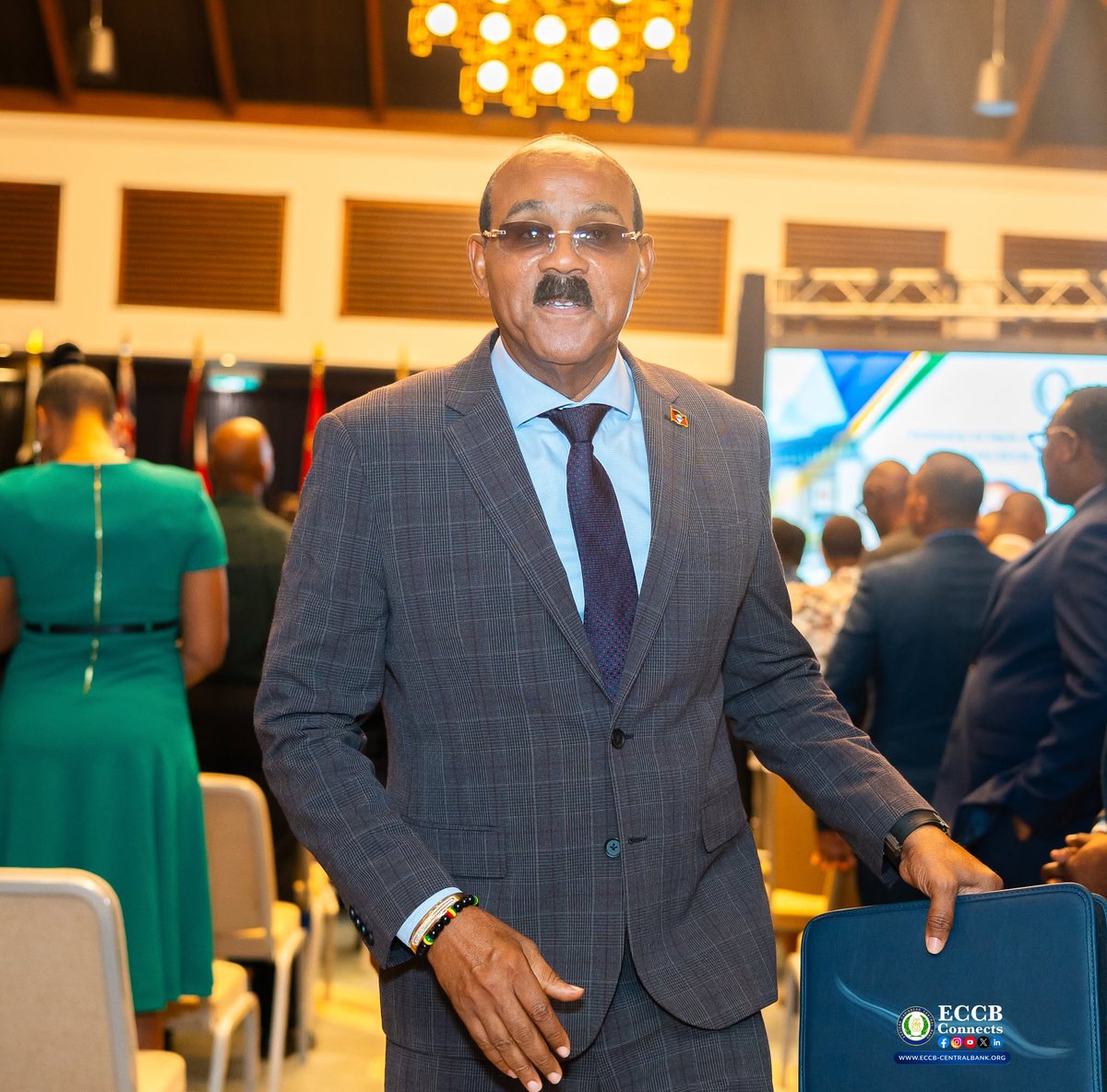
Prime Ministers Roosevelt Skerrit of Dominica, Philip J. Pierre of Saint Lucia, Gaston Browne of Antigua and Barbuda, Dickon Mitchell of Grenada, Dr. Terrance Drew of Saint Kitts and Nevis, and Godwin Friday of Saint Vincent and the Grenadines were all present at the summit.
The leaders reviewed recent communications from the European Commission and assessed the potential consequences for economic resilience, sustainable development, and the long-term prosperity of their respective nations. They reaffirmed their commitment to the EU partnership, describing it as founded on mutual respect, shared democratic values, and a common dedication to international cooperation.
The heads of government acknowledged the importance of upholding the highest standards of security, transparency, and governance in administering CBI programmes. They pointed to significant reforms undertaken in recent years, including strengthened due diligence frameworks, enhanced information sharing, and the implementation of rigorous regional standards.
Central to their collective governance efforts is the Eastern Caribbean Citizenship by Investment Regulatory Authority, which the leaders described as a major advancement in regional oversight and harmonized regulation. They said the institution reflects their commitment to continuous improvement in line with evolving international best practices.
The leaders emphasised that CBI revenues have been instrumental in financing climate resilience, disaster recovery, infrastructure, housing, healthcare, education, and fiscal stability across small island developing states. They argued these programmes have allowed their countries to absorb major economic shocks without resorting to unsustainable borrowing.
The heads of government cautioned that any future adjustments to existing arrangements must account for the economic vulnerabilities of small island developing states. They called for any transition affecting a major source of national development financing to be accompanied by a comprehensive framework that protects development gains and supports the creation of sustainable alternative financing mechanisms.
In response to the European Commission's stated willingness to continue technical dialogue, the leaders agreed to pursue a coordinated diplomatic engagement strategy. They announced plans for a high-level mission to Brussels to meet directly with the President of the European Commission, the President of the European Council, and the High Representative of the Union for Foreign Affairs and Security Policy.
Those engagements will aim to advance mutual understanding of the region's unique vulnerabilities, explore practical and mutually beneficial solutions to the EU's concerns, and reinforce the longstanding partnership between the European Union and the Eastern Caribbean.
The leaders also agreed that discussions with the EU should extend beyond CBI compliance to encompass enhanced development cooperation, strategic investment partnerships, climate resilience financing, and economic diversification initiatives.
Ministers of Foreign Affairs, ministers responsible for CBI programmes, ambassadors, and senior officials have been directed to coordinate closely and present a unified regional position in all engagements with European counterparts. A coordinated diplomatic outreach programme to key European capitals has also been mandated.
The heads of government concluded that durable solutions must reflect both the EU's legitimate policy objectives and the legitimate development needs of small island developing states, guided by the principles of proportionality, partnership, shared responsibility, and sustainable development. They expressed confidence that constructive dialogue will produce balanced and lasting outcomes.