As the world marks World Ocean Day, the Executive Director of the Caribbean Regional Fisheries Mechanism (CRFM) has issued a call to action for stronger marine stewardship across the Caribbean, warning that the region's oceans face mounting threats from pollution, climate change, and economic pressure.
According to Antigua News Room, Dr. Marc Williams, Executive Director of the CRFM Secretariat, used the occasion to underscore the deep ties between Caribbean communities and the sea, describing healthy marine ecosystems as the foundation of livelihoods, culture, food security, and economic opportunity for millions across the region.
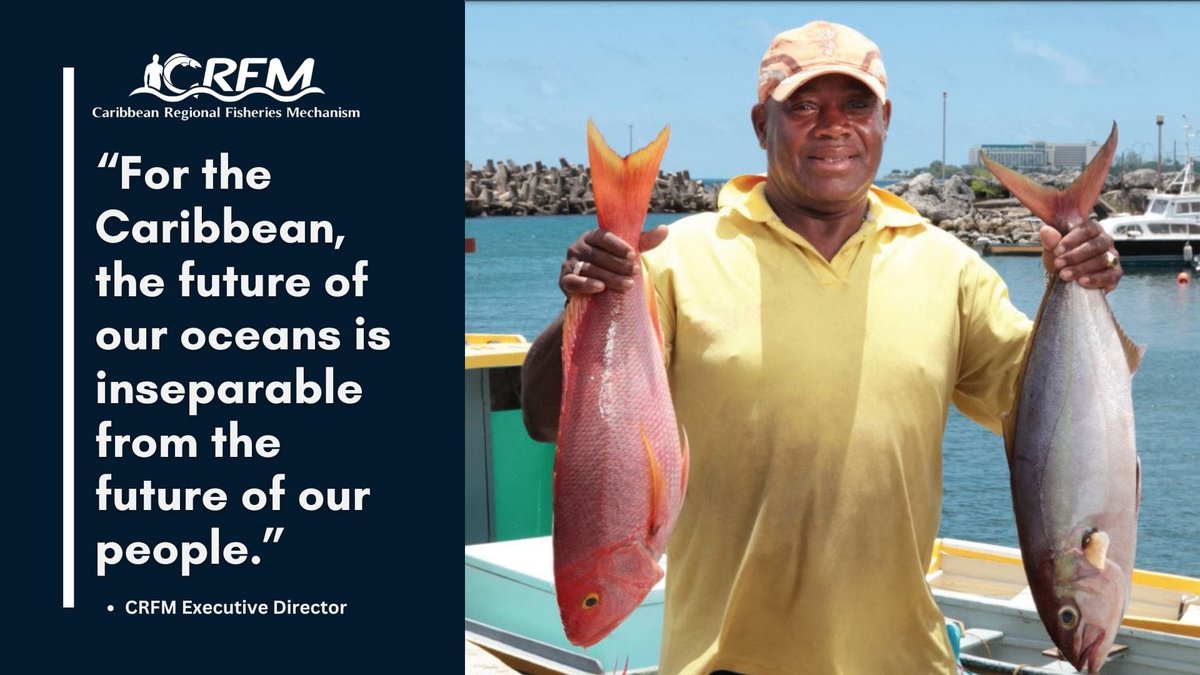
"For the Caribbean, the future of our oceans is inseparable from the future of our people," Dr. Williams wrote. "Healthy marine ecosystems support fisheries, tourism, transportation, coastal protection, and countless other services that sustain our economies and communities."
Dr. Williams highlighted the critical role of small-scale fisheries, noting that thousands of fishers, fish vendors, processors, and their families depend directly on the sea for their livelihoods and well-being. These fisheries, he said, contribute significantly to local food supplies, employment, poverty reduction, and cultural heritage.
With global food systems facing increasing pressure from climate change, economic uncertainty, and supply chain disruptions, the CRFM director stressed the importance of investing in sustainable small-scale fisheries. He called for greater support for fishing communities through improved management, access to finance, modern technology, capacity building, and stronger policy frameworks.
Dr. Williams also pointed to the Caribbean's significant potential in sustainable mariculture and aquaculture as part of a broader Blue Economy strategy. Responsible mariculture, he argued, can boost domestic seafood production, reduce import dependence, create jobs, attract investment, and build resilience against climate-related disruptions.
"Through innovation, science-based planning, and effective marine spatial management, we can unlock new opportunities in marine fish farming, seaweed cultivation, shellfish production, and other ocean-based industries while safeguarding marine biodiversity," he said. The CRFM, he added, remains committed to supporting Member States in advancing Blue Economy initiatives that balance economic growth, environmental stewardship, and social inclusion.
However, Dr. Williams cautioned that the promise of the region's oceans cannot be realised while marine pollution continues to degrade ecosystems. Plastic waste, abandoned fishing gear, land-based runoff, and wastewater discharge are damaging coral reefs, threatening marine life, and undermining fisheries productivity. Addressing the crisis, he said, requires coordinated action from governments, businesses, communities, and individuals.
On World Ocean Day 2026, Dr. Williams called on all stakeholders to renew their commitment to reducing pollution at its source, strengthening waste management systems, and promoting sustainable consumption. "Together, we can build a cleaner, healthier, and more resilient Caribbean Sea that continues to nourish our people, support our economies, and inspire future generations," he concluded.