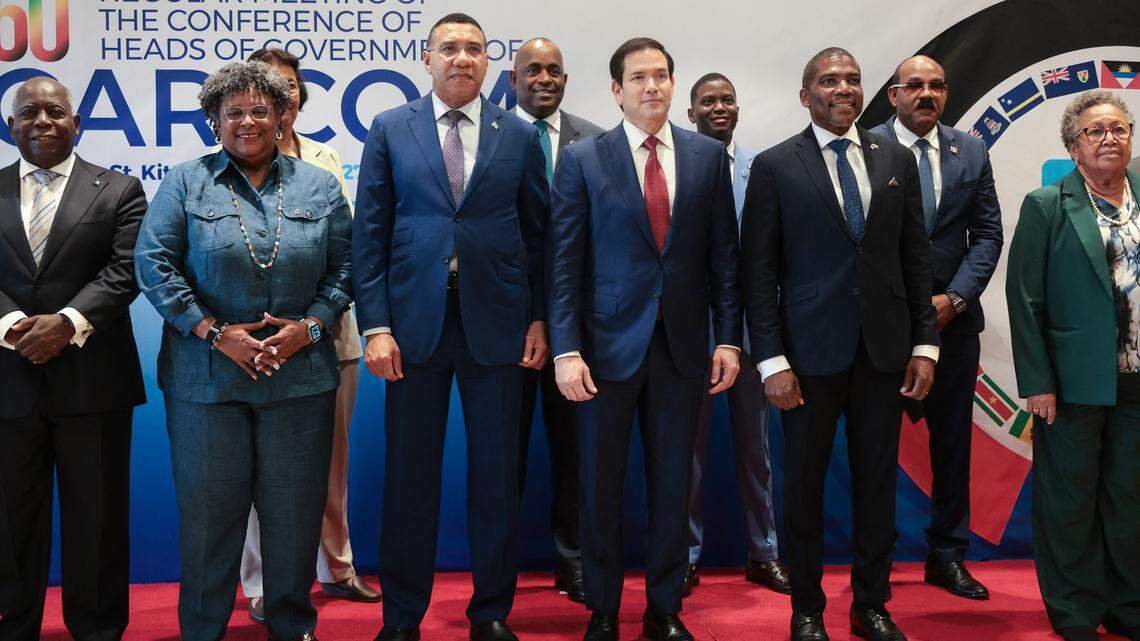
The Organisation of Eastern Caribbean States (OECS) has agreed to establish a broad-based advisory team to guide negotiations with the United States over accepting a limited number of non-criminal third-country nationals and refugees. According to Antigua News Room, the agreement to form the team was reached at the 78th OECS summit, which concluded on Monday.
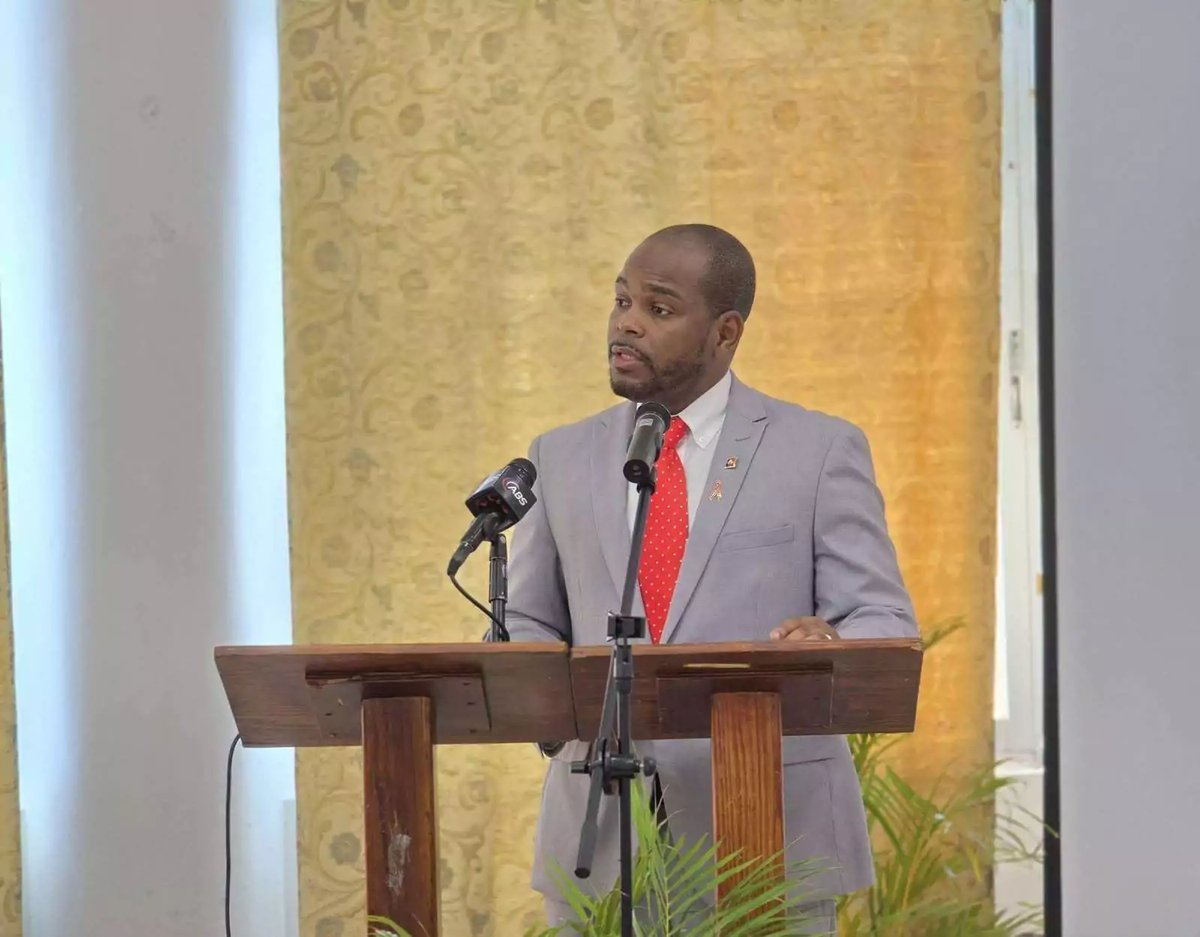
St Vincent and the Grenadines Prime Minister Dr Godwin Friday, who addressed the summit, described the US request as arriving during a period of "profound geopolitical" uncertainty. "We are in a time of profound geopolitical uncertainty, arguably the most consequential our region has faced in a generation. The wider tensions in our hemisphere hold profound implications for our security, our energy supply, the cost of living, our migration flows, and our diplomatic relations," Friday said.
Friday characterised the matter as both delicate and serious, requiring unity among member states. "Very early on in the year, we were required to consider and navigate the delicate and serious matter of the request from our development partner and friend, the United States, that our member states assist them by accepting persons deported from the USA who were not our own citizens," he said.
"We are still working through this matter very carefully because it holds serious implications for our economy, the safety of our people, the utilisation of scarce resources and for our sovereignty," Friday added. He confirmed that member states agreed to work closely together to achieve the best outcome.
"Accordingly, we agreed to establish a broad-based, high-level advisory team drawn from across our member states, to carry on technical discussions amongst themselves that guided our negotiations with the United States, individually and collectively," he said.
Friday also stressed the particular vulnerability of small island states to external pressures. "What may be mere tremors for large nations are experienced as earthquakes by us, small island developing states. We, therefore, suffer the consequences worst and the longest," he said.
Antiga and Barbuda Prime Minister and OECS Chairman Gaston Browne struck a firm tone, stating that his government will not agree to accept 120 deportees as the US has requested. Browne characterised the ongoing discussions as resembling "the deployment of economic coercion as an instrument of foreign policy."
Browne said he has made clear to Washington that criminal elements will not be accepted under any arrangement. "As I have said to them, as the prime minister of Antigua and Barbuda, I cannot willingly cooperate with any other power, any country, to destroy our beautiful twin island state," he said. "We have insisted that we will not accept any criminal elements. At the same time, we want to limit the amount of individuals who they send to this country."
While affirming Antigua and Barbuda's willingness to cooperate with US authorities, Browne said a counter-proposal has been submitted. "We are not being uncooperative here, but this idea that they could send us 120 individuals, we have said to them this is totally unacceptable. We said that we'll accept 10 annually. No more than 10," Browne said.
The OECS discussions come as Jamaica confirmed last Wednesday that it has entered into a separate agreement with the United States to accept no more than 25 non-criminal third-country nationals and refugees. National Security and Peace Minister Dr Horace Chang said the government had signed an agreement "after extensive negotiations" to transition a limited number of third-country nationals from the US to Jamaica.
"The number is 25. It's an understanding, and at no time will the number exceed 25, because we have the right to refuse anyone at any time, and both parties can terminate the entire agreement without any long-term notice," Chang said. He dismissed media reports suggesting Jamaica had agreed to accept as many as 10,000 deportees from the United States.